AORA Studio
Movement Foundations
Reconnecting strength, stability and ease of motion.
Last updated November 2025
A calmer way to make progress
Progress doesn't always come from pushing harder. Sometimes, the most sustainable path forward is to pause, reset, and build from a steadier base.
If movement feels challenging right now, whether you're experiencing stiffness, recovering from injury, or simply haven't moved much lately, that's completely normal. Your body isn't asking you to fix anything overnight. It's asking for gentle, consistent attention.
The foundations outlined here aren't prescriptive. They're simply practices that can help you reconnect with your body's natural rhythm before progressing to more structured movement like Reformer Pilates.
Three movements to start with
Pelvic Tilts. Lie on your back with knees bent. Gently press your lower back into the floor, then release. Ten slow repetitions help re-engage your core without strain.
Cat-Cow Flow. On hands and knees, arch and round your spine slowly for 30 seconds. This mobilises your vertebrae and reduces stiffness through gentle, flowing movement.
Wall Roll-Downs. Stand with your back against a wall. Slowly roll down one vertebra at a time, letting your head and arms hang. Roll back up with control. This lengthens your spine without strain.

Breathing and core engagement
Most people think of core engagement as 'sucking in' or tensing the abs. But true core stability comes from coordinated breathing.
Try this: Lie on your back with one hand on your ribs, one on your belly. Breathe in through your nose for a count of four, letting your ribs expand. Exhale slowly for six counts, feeling your belly gently draw inward. This is the foundation of controlled, efficient movement.
As you exhale, imagine your pelvic floor gently lifting, not clenching, and your lower abs drawing toward your spine. This subtle engagement is what carries through every movement in Reformer Pilates.
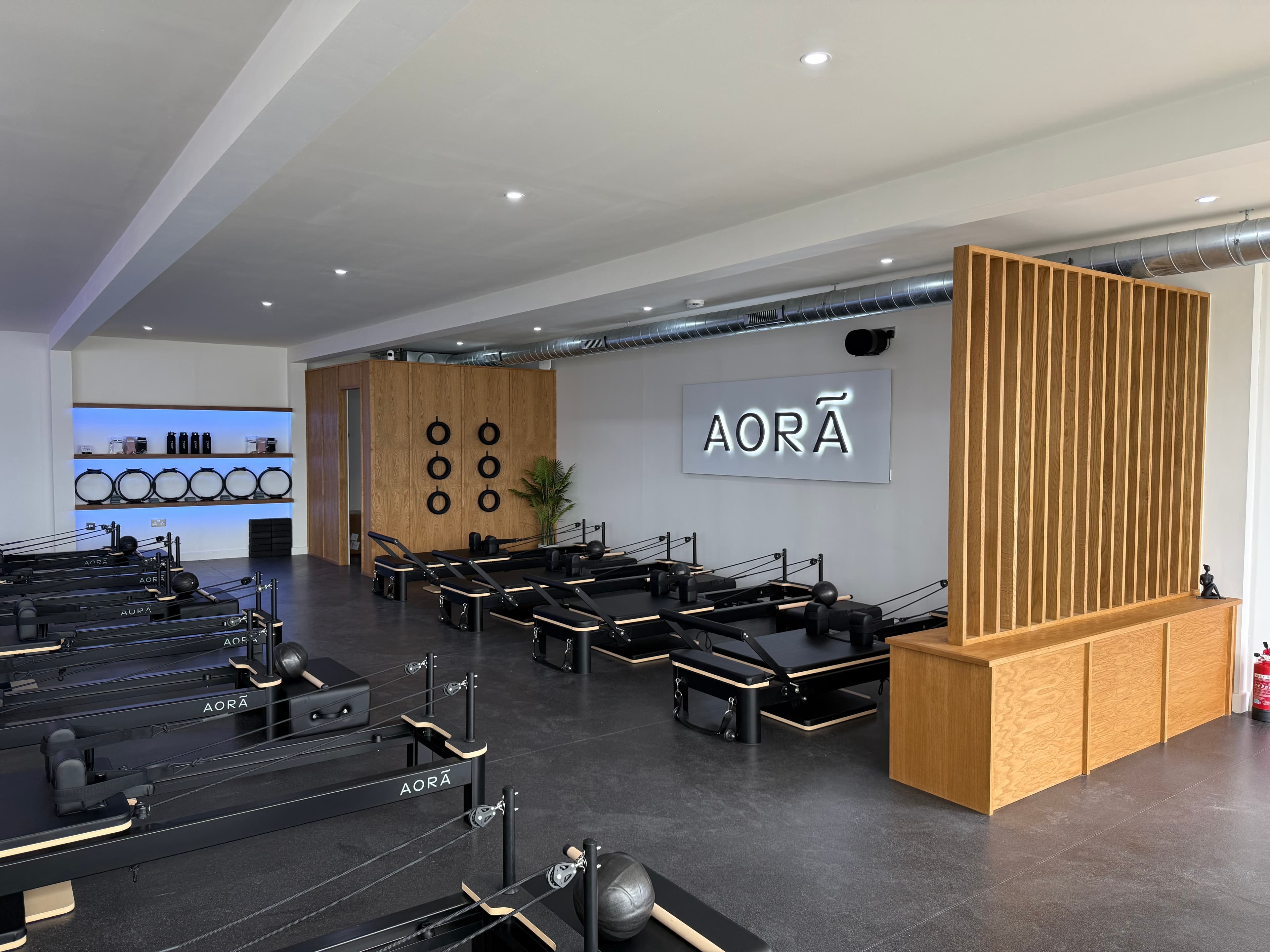
Recovery and rest are part of the process
Movement doesn't happen in isolation. Your body needs time to adapt, especially if you're coming from a period of inactivity or managing an injury.
Consider these practices alongside movement:
- Prioritise 7-8 hours of sleep to support tissue repair
- Stay hydrated. Muscles respond better when properly hydrated
- Move often, but don't force intensity. Walking counts.
- Notice how your body feels between sessions, not just during them
“Most people try to go harder. The secret is going steadier, with better control.”
Ready to try it?
Book your first reformer pilates class at our Bristol studio.